

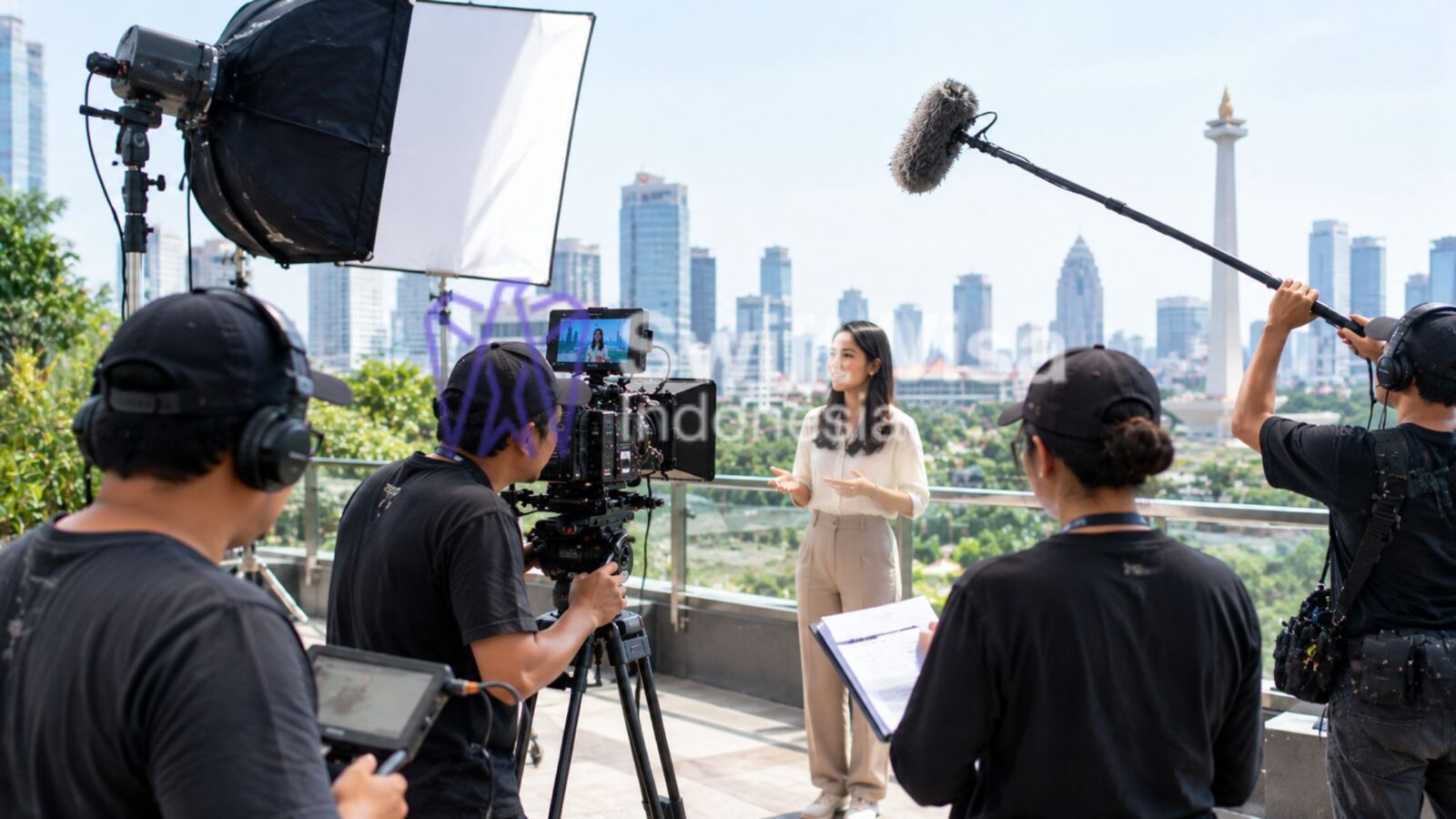
Indonesia has become a popular location for international media projects. Jakarta’s skyline and Bali’s landscapes attract production houses, event promoters, and advertising agencies from around the world. However, bringing creative talent and technical crews into the country takes careful planning.
Indonesia draws a strict line between work and non-work activity. Filming, performing, or running a live commercial event without the right permit can lead to a production shutdown, equipment confiscation, and serious legal liability. This guide explains how Entertainment Visas Indonesia work, why a local sponsor is required, and how to plan the timeline.
What an Entertainment Visa Covers
Standard business and tourist visas do not cover media production, commercial photography, musical performances, or live event management. Instead, a foreign national who receives payment for creative work, or who uses professional filming or broadcasting gear, needs a specialized visit visa for art and entertainment. It is issued under the single-entry (C) or multiple-entry (D) series.
Who Needs One
- Film directors, producers, and cinematographers
- Technical crew, such as gaffers, audio engineers, and drone operators
- Commercial models, actors, and on-screen talent
- International musical artists, DJs, and live performers
If you are unsure whether a visit counts as business or tourism, read our guides on the Business Visa and the Tourist Visa. In short, neither covers paid creative work.
You Need a Local Sponsor
An overseas production house cannot sponsor its own crew directly. Instead, it must partner with an authorized local agency or creative entity. The application then runs through the national Online Single Submission (OSS) system. The local sponsor needs to meet three conditions:
- Corporate standing. The sponsor must hold an active business license (NIB) that covers event promotion, media production, or consultancy.
- Equipment customs clearance. Crews bringing cinema cameras, lighting rigs, or audio gear need the sponsor to coordinate with customs through an ATA Carnet. This prevents tax penalties at the border.
- Institutional clearance. Depending on the project, such as a feature film or documentary, the sponsor must secure a permit from the relevant cultural or tourism ministry.
Processing Timelines
Production schedules are tight, so timing matters. The table below shows the typical windows.
| Milestone | Estimated Window | Who Handles It |
| Ministry recommendation or permit | 5–10 business days | Culture or tourism ministry |
| Sponsorship file verification | 2–3 business days | Authorized local sponsor |
| Telex e-Visa issuance | 4–7 business days | Directorate General of Immigration |
| Customs equipment clearance | 1–2 business days | Directorate General of Customs |
Entertainment visas usually involve a manual review by a cultural committee. As a result, they tend to take longer than many standard business visas. For large crews, start the process 6 to 8 weeks before the first shoot day.
Common Mistakes
- Using a business or tourist visa for filming. Both are for non-work purposes. Paid creative work does not fit either one.
- Starting too late. Because a committee reviews each file, a last-minute start often means a delayed shoot.
- Choosing the wrong sponsor. If the sponsor’s license does not cover media or events, the application can fail.
- Incomplete sponsor or cultural documents. Gaps often lead to rejection at the e-Visa stage.
- Ignoring equipment clearance. Gear without proper customs paperwork can bring tax penalties at the border.
A Simple Planning Checklist
- List every person who will film, perform, or operate equipment, and confirm each one needs an entertainment visa.
- Choose a local sponsor whose license covers your type of project.
- Prepare crew documents and the project description for the ministry permit.
- Arrange customs clearance for all professional gear.
- Submit at least 6 to 8 weeks before the shoot, then track each milestone.
Frequently Asked Questions
Can a foreign production company sponsor its own crew? No. It needs a licensed local sponsor, such as an authorized agency or creative entity, to start the application.
Does a business or tourist visa cover filming? No. Media production, commercial photography, performances, and live event management need an entertainment-specific visa.
How early should we start? For large crews, start 6 to 8 weeks before the shoot date, because entertainment visas often involve a manual review.
Is equipment cleared separately? Yes. Professional gear goes through customs clearance, and the sponsor coordinates it, often with an ATA Carnet.
Plan the Visa Before You Plan the Shoot
A compliant crew visa protects your budget and your schedule. Most delays come from late starts and weak sponsor files, not from the rules themselves. Therefore, set up the sponsor and the timeline first.
Planning a shoot or live event in Indonesia? Contact Swift Visa Indonesia to set up a compliant visa plan for your crew and talent.