


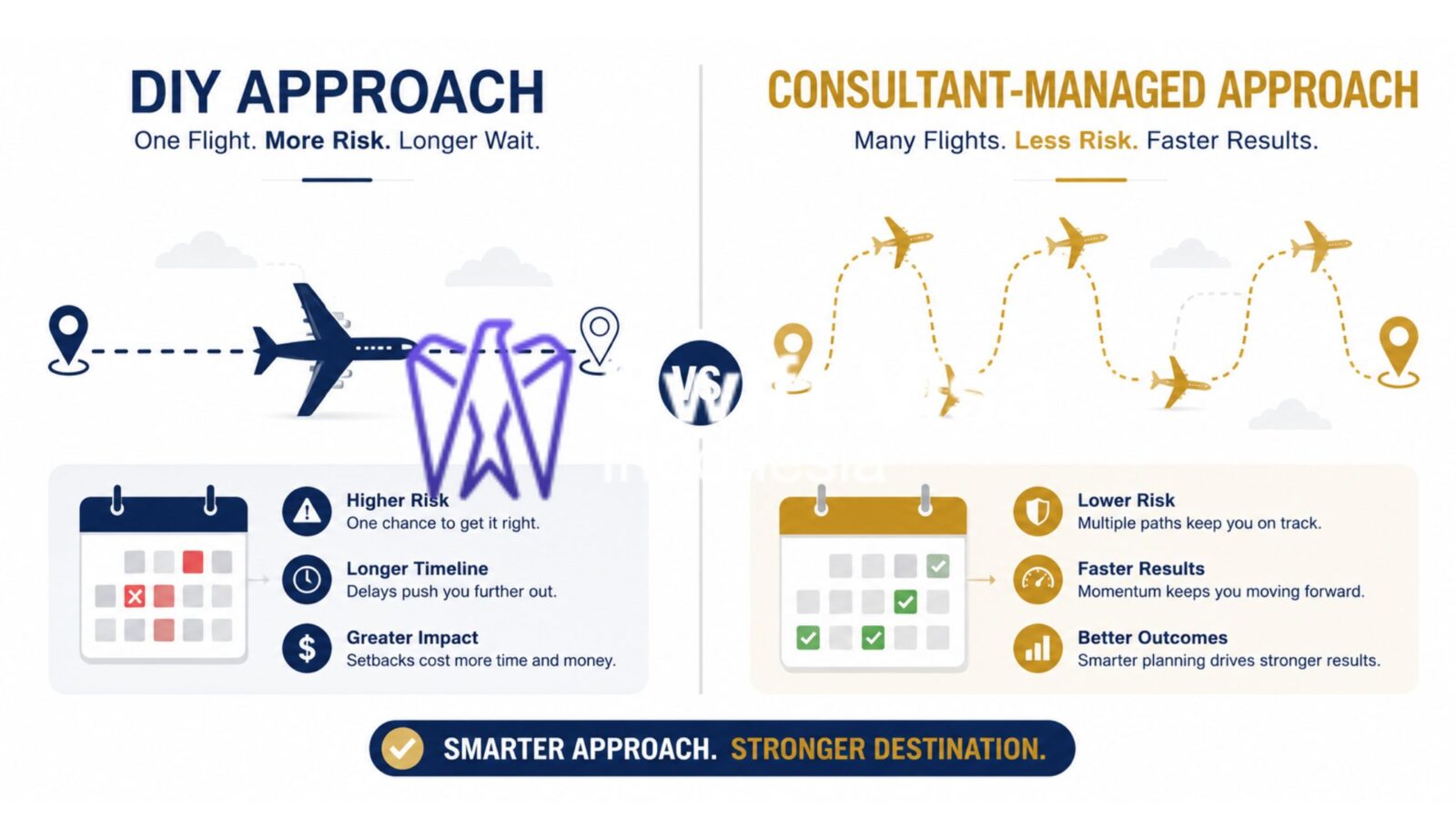
A CFO booking quarterly site visits to Indonesia doesn’t need the same visa as a project manager flying in once for a contract signing. Yet both frequently get routed through the same default option, costing the company either unnecessary visa runs or unnecessary fees. Choosing correctly between a Business Visa Indonesia and a Multiple Entry Visa Indonesia is a travel-budget decision as much as a legal one.
What Each Visa Actually Permits
Business Visa (single or limited entry): Covers meetings, negotiations, audits, and short-term commercial activity. It does not permit paid work or productive employment of any kind, even temporary.
Multiple Entry Business Visa: Functions on the same activity restrictions as a standard business visa, but allows repeated entries over a 1-year or 2-year validity window without reapplying each time.
Both visas share the same legal boundary — no productive work — but differ entirely in how often the holder can cross the border without restarting the application process.
The Real Comparison Point: Frequency, Not Just Cost
The single-entry business visa often looks cheaper per trip. It rarely is cheaper per year of travel.
| Factor | Business Visa | Multiple Entry Visa |
| Application frequency | Per trip | Once per validity period |
| Best for | One-off visits (contract signing, single audit) | Quarterly or recurring visits |
| Processing overhead | Repeated each time | Front-loaded, then none |
| Validity | Typically 60 days, single use | 1–2 years, unlimited re-entries within stay limits |
An executive making four trips a year on single-entry visas files four separate applications. The same executive on a multiple entry visa files once.
Where Companies Miscalculate
Underestimating trip frequency at the planning stage. A role that starts with “maybe one visit” often becomes quarterly within a year, and companies that didn’t plan for that end up reapplying repeatedly instead of switching visa types early.
Assuming the multiple entry visa permits longer stays. It doesn’t extend the maximum length of any single stay — it only reduces how often you need to reapply. Each individual stay is still capped, typically at 60 days, regardless of visa type.
Mixing up visa type with work authorization. Neither visa, regardless of how many entries it allows, permits productive employment. Executives doing hands-on operational work in Indonesia — not just oversight visits — need a work visa pathway, not a business visa of any kind.
A Simple Decision Framework
Use trip frequency as the deciding variable:
- One confirmed trip, no foreseeable repeat visits → standard business visa
- Two or more trips expected within 12 months → multiple entry visa
- Any hands-on operational role, regardless of trip count → not a business visa at all — pursue a work visa pathway instead
For finance and operations teams managing travel budgets across several executives, applying this framework at the planning stage — before bookings are made — avoids both overpaying for single-entry repeats and underpaying into a compliance gap.
Plan the Visa Strategy Alongside the Travel Calendar
The mistake most corporate travel teams make is treating visa selection as a last-minute administrative task rather than part of the annual travel plan. Map your executives’ expected Indonesia visit frequency for the year ahead, then choose the visa type that matches — not the one that was used last time by default.