


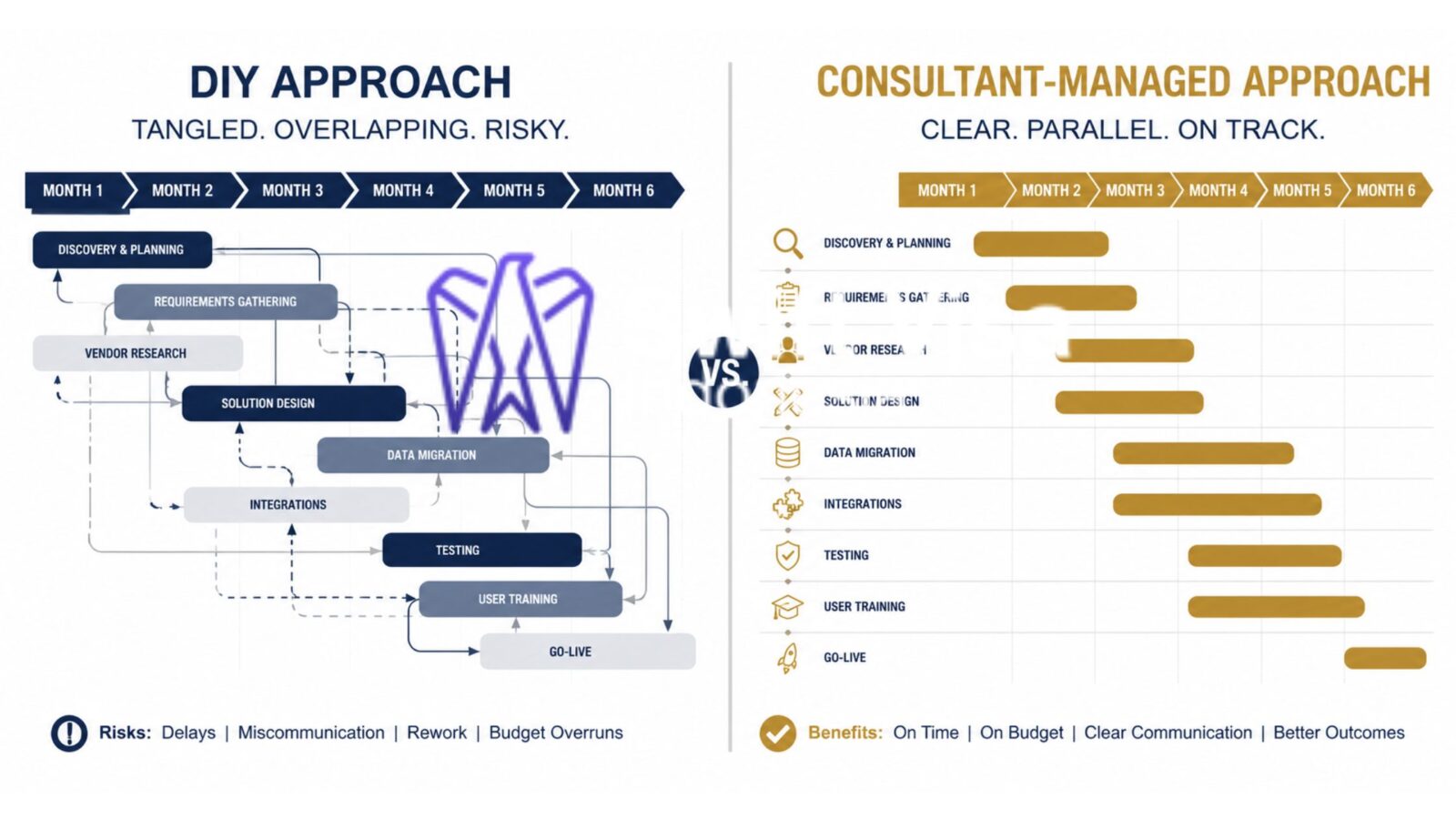
Most multinational companies don’t lose time in Indonesia because the regulations are unclear they lose time because the regulations are clear, detailed, and constantly applied with regional variation that no spreadsheet of “official requirements” captures. That gap is exactly where a corporate immigration consultant Indonesia earns its retainer.
This article makes the business case: when internal handling of visas and work permits stops being a manageable HR task and becomes a measurable drag on expansion speed.
The Hidden Cost of “We’ll Handle It In-House”
In-house handling looks cheaper on a budget line. It rarely is cheaper in outcome.
- A single rejected RPTKA application can add 4–8 weeks to a hire’s start date
- HR staff unfamiliar with regional manpower office variations spend hours on calls that a specialist resolves in minutes
- Non-compliant interim arrangements (informal “start while we wait”) expose the company to fines and blacklisting risk
When these costs are measured against a consultant’s retainer, the math rarely favors going it alone past the first few hires.
What a Corporate Immigration Consultant Actually Does Differently
A consultant working dozens of Indonesian corporate cases a month builds pattern recognition an internal team can’t replicate from occasional use:
Pre-screens roles against restricted occupation lists before an offer letter is even drafted, preventing the most common cause of stalled applications.
Knows regional office variation. The same national regulation is interpreted with subtle differences between Jakarta, Bali, and Surabaya manpower offices a consultant active in multiple regions catches this before submission.
Runs Kemenaker and Immigration timelines in parallel, rather than sequentially, shaving weeks off total processing time.
Maintains direct relationships with processing officers, which doesn’t bypass regulation but does mean queries get answered in days, not weeks.
Signals It’s Time to Bring In a Consultant
- You’re hiring more than 3–5 foreign employees per year
- You’re entering Indonesia for the first time and don’t have an established compliance pattern
- A previous application was rejected or significantly delayed
- You’re managing foreign staff across multiple provinces with different regional office behavior
- Your legal team’s time is better spent on core commercial work than visa logistics
If two or more of these apply, the cost of a consultant is very likely lower than the cost of continuing without one.
How to Evaluate a Consultant Before Engaging
Not every firm offering “visa services” operates at corporate scale. Ask:
- How many concurrent enterprise cases do you currently manage?
- Can you handle multi-province applications, or only one region?
- What’s your average processing time versus the regulatory baseline?
- Do you provide pre-screening before RPTKA filing, or only process what’s handed to you?
A consultant who can’t answer the pre-screening question clearly is processing paperwork, not managing risk.
The Retainer Pays for Speed, Not Just Compliance
The strongest argument for a corporate immigration consultant isn’t avoiding fines most companies avoid those anyway with enough internal diligence. It’s the compounding speed advantage: faster placements, fewer rejected applications, and a single accountable partner instead of a patchwork of regional contacts.
If your expansion plan depends on getting foreign talent into Indonesia on schedule, treat immigration consulting as part of the operating budget, not an emergency expense after the first rejection.