

A film crew that misjudges Indonesia’s visa timeline doesn’t just risk a fine — it risks an entire shoot schedule, with location bookings, cast availability, and post-production deadlines all stacked against a visa that hasn’t cleared yet. Entertainment Visas Indonesia applications move on their own timeline, and production companies that treat them like a standard business visa request consistently get caught off guard.
This guide covers what international agencies, event organizers, and media houses need to know before locking a production date in Indonesia.
Why Entertainment Activity Has Its Own Visa Category
Indonesian immigration treats paid performance, filming, and production work as productive economic activity — which means a standard tourist or business visa does not cover it, even for a single-day shoot or one-night performance. Entertainment Visas Indonesia exist specifically because:
- Performers and crew are being compensated for activity conducted on Indonesian soil
- Productions often involve foreign cast and crew working alongside local talent and labor regulations apply
- Equipment imports, location permits, and visa approval are frequently interlinked through the same production permit process
Treating entertainment work as a “business trip” is the single most common compliance mistake international productions make.
Who Needs This Visa
- Musicians, performers, and DJs booked for paid Indonesian shows
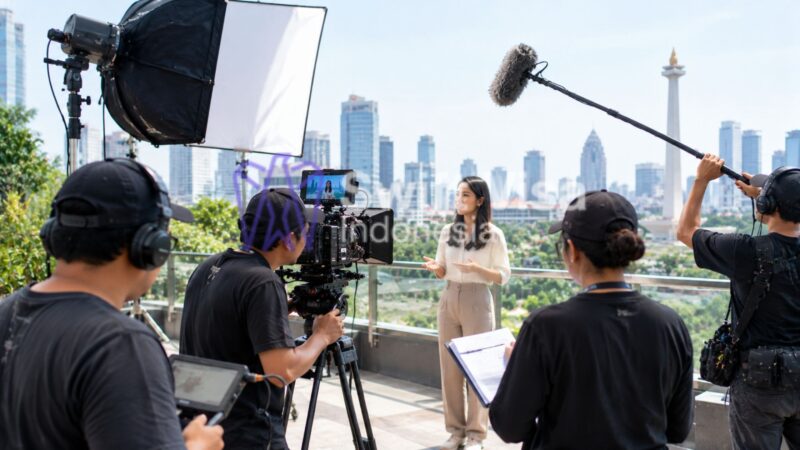
- Film and television crews shooting on location, including documentary teams
- Models and talent on paid commercial shoots
- Technical crew (lighting, sound, camera) traveling with a foreign production
- Event production staff running international festivals or corporate events hosted in Indonesia
Unpaid cultural exchange or purely observational visits may fall under different rules, but any compensated activity puts the individual squarely in this category.
The Application Pathway
- Secure a local sponsor or production partner. Most entertainment visa applications require an Indonesian entity (a local production house, event organizer, or agency) to sponsor the application.
- File the visa application with supporting production documents — contracts, shoot schedules, and a description of the activity.
- Coordinate with relevant location and filming permits, particularly for shoots involving public spaces, cultural sites, or government-regulated locations.
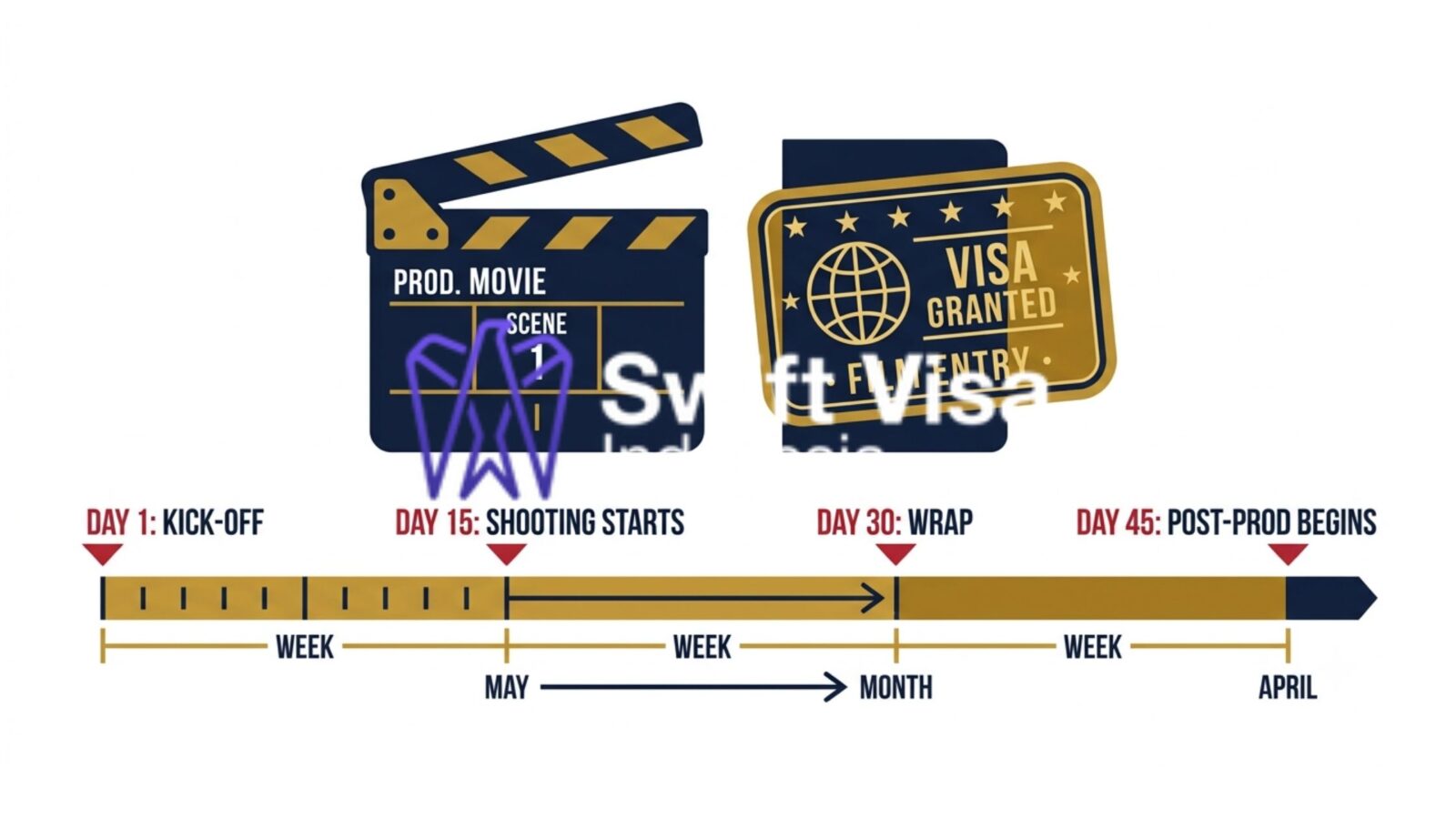
- Build in processing buffer time — entertainment visas typically require more lead time than standard business visas due to the additional documentation review.
- Plan for crew turnover. Productions with rotating crew members need to track individual visa validity windows, not just one blanket approval.
Common Scheduling Mistakes
Booking the shoot date before confirming visa lead time. Entertainment visa processing frequently takes longer than standard categories, and locking dates first creates pressure that leads to corner-cutting.
Assuming a multi-entry business visa covers paid performance. It doesn’t — no business visa category, regardless of entry count, covers compensated entertainment activity.
Underestimating the local sponsor requirement. International production companies without an established Indonesian partner often lose weeks simply identifying and formalizing a sponsor relationship.
Treating crew visas as identical to talent visas. Technical crew, on-camera talent, and production management sometimes fall under slightly different documentation requirements depending on their role and compensation structure.
Build the Visa Timeline Into Pre-Production
The productions that move smoothly through Indonesian entertainment visa processing start the application during location scouting, not after the shoot is confirmed. If you’re planning a production, event, or talent booking in Indonesia, map your visa lead time against your shoot calendar now — before contracts with cast and crew lock in dates the paperwork can’t support.