


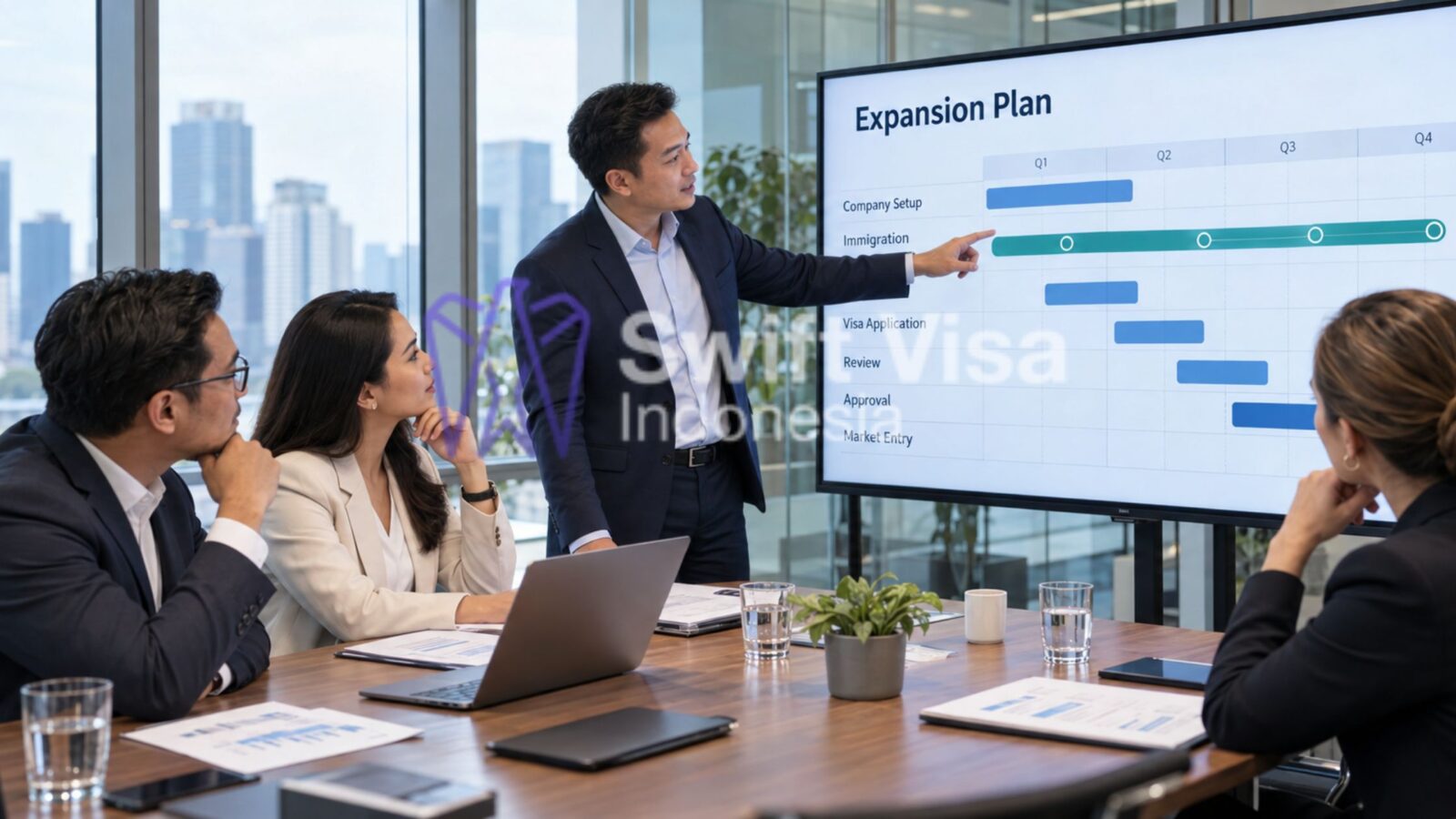
Growth brings opportunity, but it also brings complexity. For a company expanding in Indonesia, immigration is often one of the first functions to feel the pressure. What starts as a small admin task can quickly turn into a compliance and operational challenge as headcount grows and timelines tighten.
This guide explains how Business Immigration Solutions Indonesia differ from simple visa processing. It also shows how growing companies can tie immigration to their business and workforce plans.
Growth Changes the Immigration Equation
A growing company faces a different reality from an early-stage one. As expansion speeds up, immigration has to support:
- Faster onboarding of foreign talent
- Several roles across departments and entities
- Changing job scopes and reporting structures
- Closer scrutiny from regulators
At this stage, handling visas case by case no longer scales. Instead, immigration becomes part of the business infrastructure, not back-office support.
Where Growing Companies Feel the Strain
Immigration problems during growth rarely come from one issue. Rather, they build up through small, repeated friction:
- Inconsistent handling across departments
- Manual tracking that fails under volume
- Delays that hit project timelines
- Unclear ownership between HR, legal, and operations
Left alone, these problems slow momentum and raise compliance exposure, exactly when speed matters most.
What a Business Immigration Solution Covers
Effective support is not about speed alone. It is about structure, visibility, and continuity. In practice, a solution usually joins several parts into one plan:
- Entity alignment. Immigration plans should match the corporate structure, from PT PMA setup to licensing.
- Mobility and visa planning. The right pathway for each person, such as a Working KITAS for technical experts or an Investor KITAS for shareholders.
- Family and dependent support. Dependent KITAS applications that run alongside the main applicant’s visa.
- Central oversight. One view of every expatriate case, so status always matches the business role.
- Ongoing compliance monitoring. Tracking that continues as the organization changes.
For the operational details of relocating staff, see our Expat Services Indonesia checklist.
Align Immigration With Workforce Planning
HR leaders increasingly treat immigration as part of workforce planning. That means looking ahead at permit renewals, contract extensions, and succession plans, instead of reacting to each deadline.
In practice, workforce immigration planning helps in three ways:
- It aligns visa duration with project timelines
- It reduces last-minute renewals
- It keeps operations running without gaps
For renewal timing in particular, see our guide to Work Visa Renewal Indonesia.
Business Plans That Need an Immigration Plan
Immigration decisions increasingly connect to strategy. Common examples include:
- Hiring foreign specialists to fill capability gaps
- Building regional leadership teams
- Running project-based assignments or rotations
- Preparing for future entity expansion
Each of these needs a clear pathway chosen early. A good solution turns business intent into a compliant, workable route. For the standard sponsorship route, read our Indonesia Work Permit guide. For senior and executive roles, see Enterprise Expatriate Visa Indonesia.
Reducing Risk While Staying Agile
The biggest concern for growing companies is balancing compliance with speed. Well-structured solutions help by:
- Spotting risks early, before they disrupt operations
- Standardizing processes without losing flexibility
- Keeping documents and reports audit-ready
- Supporting change without restarting from zero
This balance is hard to hold without ongoing, specialized support.
When to Move From Ad-Hoc Handling to a Structured Solution
Companies usually look for professional support when:
- Expatriate headcount keeps rising
- Internal teams struggle to keep up with renewals and changes
- Compliance risk becomes a leadership concern
- Expansion plans need predictability and control
At that point, immigration support shifts from one-off help to a long-term partnership. To compare what a managed model includes, see Managed Visa Services for Companies Indonesia.
Frequently Asked Questions
What is the difference between business immigration solutions and visa processing? Visa processing handles individual applications. A business immigration solution connects those applications to your corporate structure, workforce plan, and ongoing compliance, so the whole picture stays consistent.
Who should own immigration inside a growing company? Ownership should be clear and shared by design. HR, legal, and operations each touch immigration, so one named owner plus a shared tracking view prevents deadlines from falling between teams.
When should a company start planning immigration for an expansion? Before the hiring plan is final. Choosing the pathway early avoids delays, rework, and pressure to start work before approval.
Do small teams need a structured solution? Not always. Small, infrequent cases can often be handled directly. The need grows with headcount, role changes, and compliance risk.
Make Immigration Part of the Growth Plan
For a growing company, the right immigration solution provides more than approvals. It gives confidence that expansion plans rest on compliant, well-managed processes. With that structure in place, the business can focus on growth.
Planning to expand your team in Indonesia? Contact Swift Visa Indonesia’s corporate consultation desk to map your immigration plan against your growth plan.