

A remote worker logging into a US or European company’s systems from a Bali co-working space, on a Tourist Visa Indonesia, looks harmless. Legally, it sits in a gray zone that Indonesian immigration has increasingly scrutinized and the consequences land on the individual far faster than most digital nomads expect.
This guide draws a clear line between what a tourist visa actually permits and where it ends, specifically for Western remote workers and the companies that employ them.
What a Tourist Visa Actually Permits
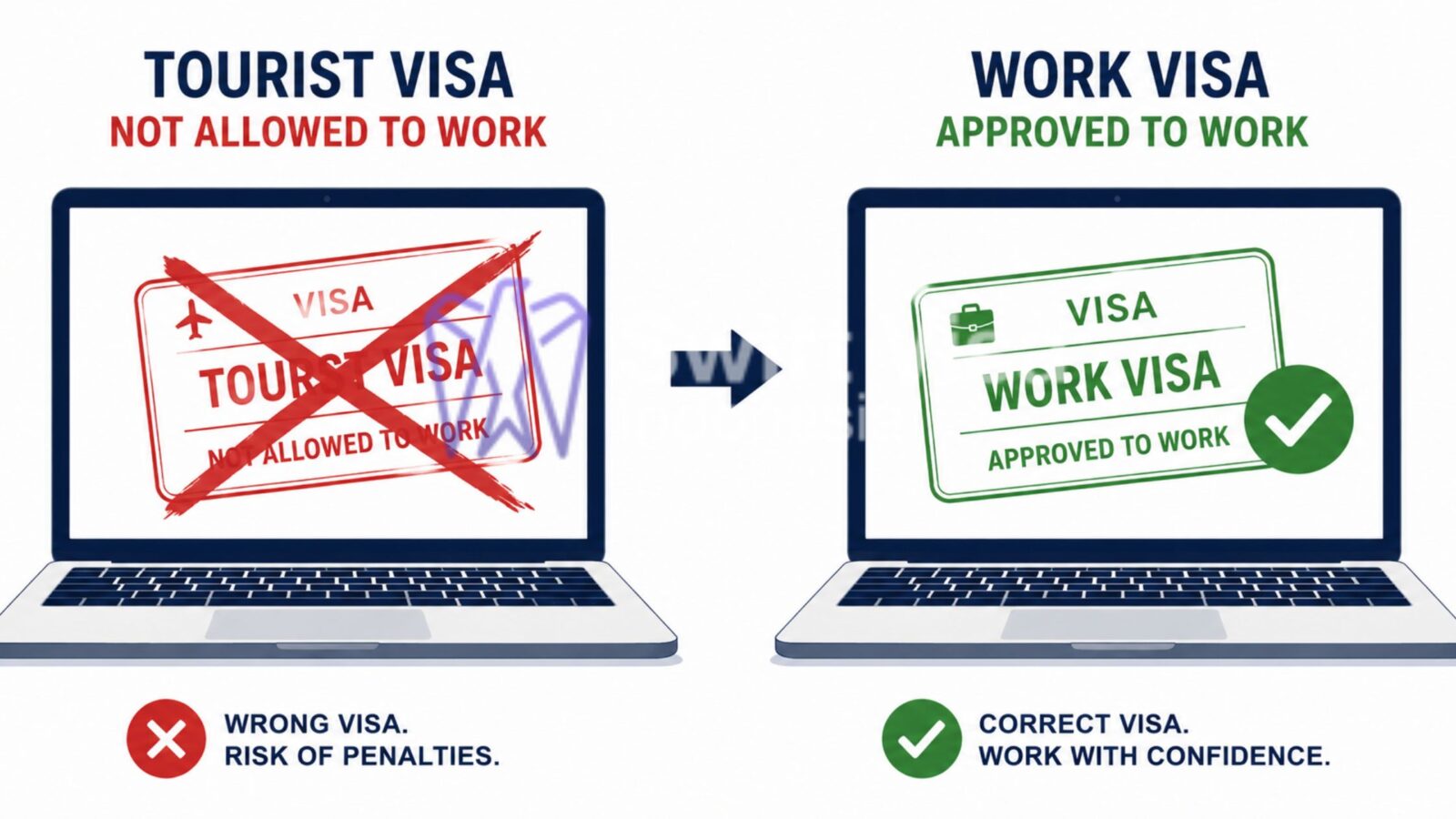
A Tourist Visa Indonesia is designed for leisure, family visits, and short cultural or recreational stays. It does not permit any form of work — and critically, this restriction is not limited to work performed for an Indonesian company.
The common misconception among remote workers is that “I’m not taking an Indonesian job, I’m working for my US/UK company remotely” creates an exception. It doesn’t. Indonesian immigration law restricts productive activity conducted on Indonesian soil, regardless of where the paying client or employer is based.
Why This Matters More Than It Used to
Enforcement around remote work on tourist visas has tightened in recent years, partly driven by the visible growth of “digital nomad” communities in Bali. Immigration authorities have increased monitoring around:
- Long-stay tourist visa holders with patterns suggesting ongoing work activity
- Co-working space usage tied to visa status
- Social media activity that publicly indicates remote employment while on tourist status
The risk isn’t theoretical. Overstays and visa misuse have resulted in deportations and re-entry bans that affect both the individual and, in cases involving local sponsors or business connections, the broader business relationship.
The Indonesia Visa for Foreign Workers Pathway
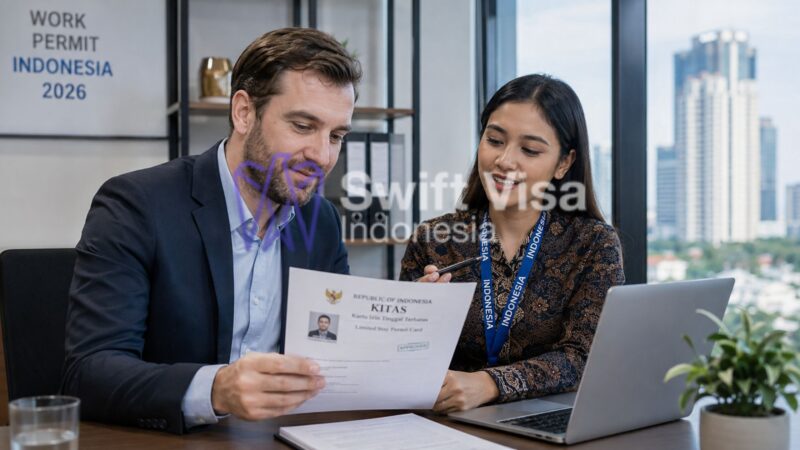
For individuals who are actually employed even by a foreign company and want to legally reside in Indonesia while working, the correct route runs through formal work authorization, not tourist status. This typically requires:
- An Indonesian sponsoring entity (which can be complex for fully remote roles without a local employer)
- Alternatively, newer visa categories specifically designed for remote workers and digital nomads, which have emerged to address this exact gap
- Clear documentation of income source and employment status
The key distinction: legal work-from-Indonesia pathways exist, but they require proactive application not continued use of tourist status while hoping enforcement doesn’t catch up.
What Companies Employing Remote Staff in Indonesia Should Know
Western companies with remote employees who relocate to Indonesia carry indirect exposure even without a local entity:
- HR teams should confirm an employee’s visa status before approving long-term remote work from Indonesia
- Company-issued equipment and systems access tied to a visa violation can complicate the company’s own risk profile if scrutinized
- Clear internal policy on remote work locations prevents employees from defaulting to tourist visas out of convenience
A Simple Compliance Test
If an individual is performing any compensated work while physically in Indonesia regardless of employer location a tourist visa is the wrong instrument. The question to ask isn’t “who pays me” but “where am I physically working from,” since Indonesian immigration law is territorial in how it defines productive activity.
Don’t Let Convenience Create Legal Exposure
The appeal of working remotely from Bali on a simple tourist visa is obvious and it’s exactly why so many Western professionals default to it without checking the legal boundary. If you or your employees are working from Indonesia for any extended period, verify the correct visa pathway now, before an immigration review forces the conversation.